Regions
05:47 PM | 24 Jun 2026
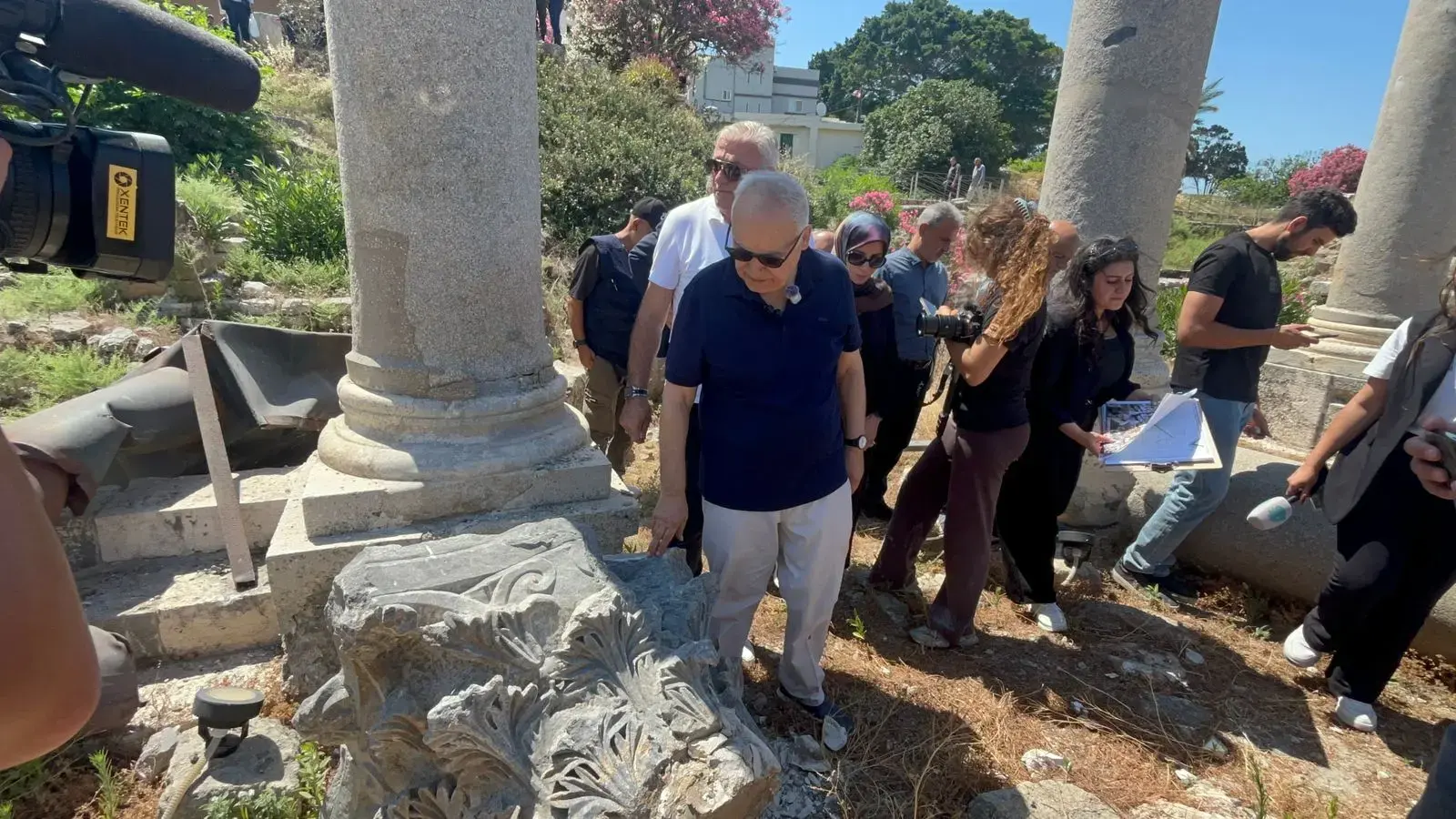
To inspect the damaged archaeological sites.. Salama tours Tire
Fady Mahouly
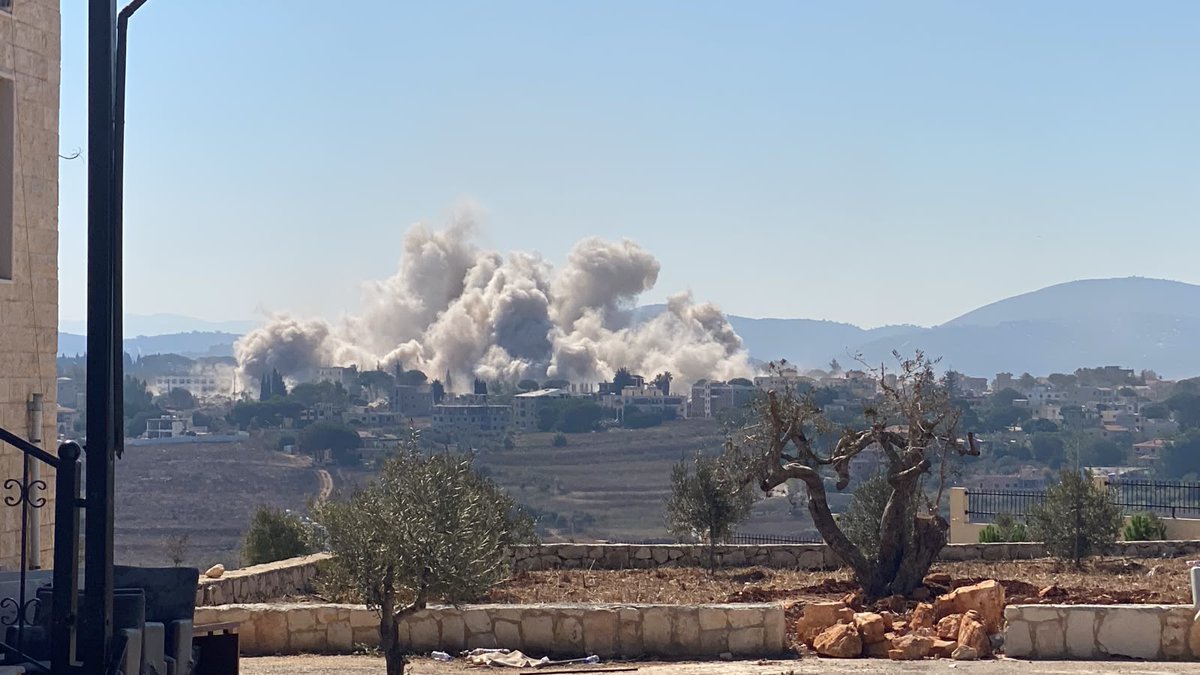
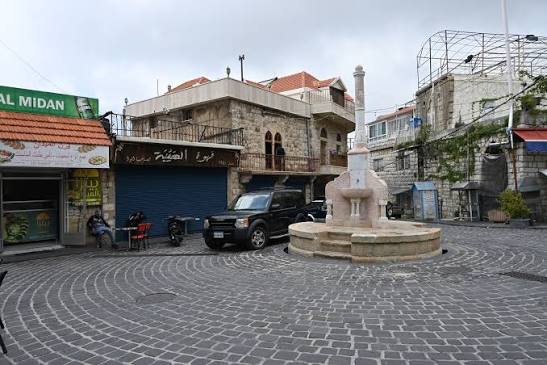
The Minister of Culture, Dr. Ghassan Salama, accompanied by the Director General of Antiquities, Engineer Sarkis Al-Khoury, and a number of employees of the General Directorate of Antiquities, toured the archaeological sites that were damaged as a result of the recent Israeli aggression in the city of Tyre, in order to see on the ground the extent of the attacks that affected the cultural and historical heritage of the city.
Salama pointed out that his visit comes out of “a national and moral duty to review the extent of the damage to the antiquities as a result of the Israeli aggression.”
He confirmed that he had made a series of contacts with culture ministers in a number of countries around the world to put them in front of their responsibilities regarding what happened in southern Lebanon, pointing out that protecting antiquities is a shared international responsibility, especially in the historical sites in Tire, Shama, Shaqif, Shaqra, and Tibnine.
Salama said: “It is true that UNESCO does not have an army to protect the antiquities, but we can, through diplomatic, legal and media means, confront these attacks and condemn them before world public opinion.”
The Minister revealed two basic decisions taken by the Ministry of Culture. The first is to seek to include the antiquities of Tire on the list of sites in permanent danger due to the possibility of them being exposed to new attacks, thus placing additional responsibilities on the international community in protecting them. The second is to work to establish the historical castles of Jabal Amel in Shaqra, Shama, Tibnine and Shaqif as globally protected archaeological sites.
Tags:
Beaufort
Israeli aggression
General Directorate of Antiquities
UNESCO
photo
Ghassan Salama
Lebanon

← Previous article
In Labaya... he was found hanged